Korean BBQ for Beginners: How to Order, Grill, and Not Embarrass Yourself
My friend burned the meat at Korean BBQ our first time. Actually burned it. The server came over without saying anything, took the tongs, and just started cooking properly. A little embarrassing. But the meat after that was incredible so nobody complained.
Korean BBQ (고기구이) looks simple. It is mostly simple. But there are enough things nobody explains that first-timers usually miss the best parts. The cuts matter. How you wrap the meat matters. And yes there are scissors on the table and yes you use them directly on the meat. Its a whole thing.
Here is everything you need before you sit down so you look like you have done this before.
The Basics: How Korean BBQ Actually Works

on Unsplash
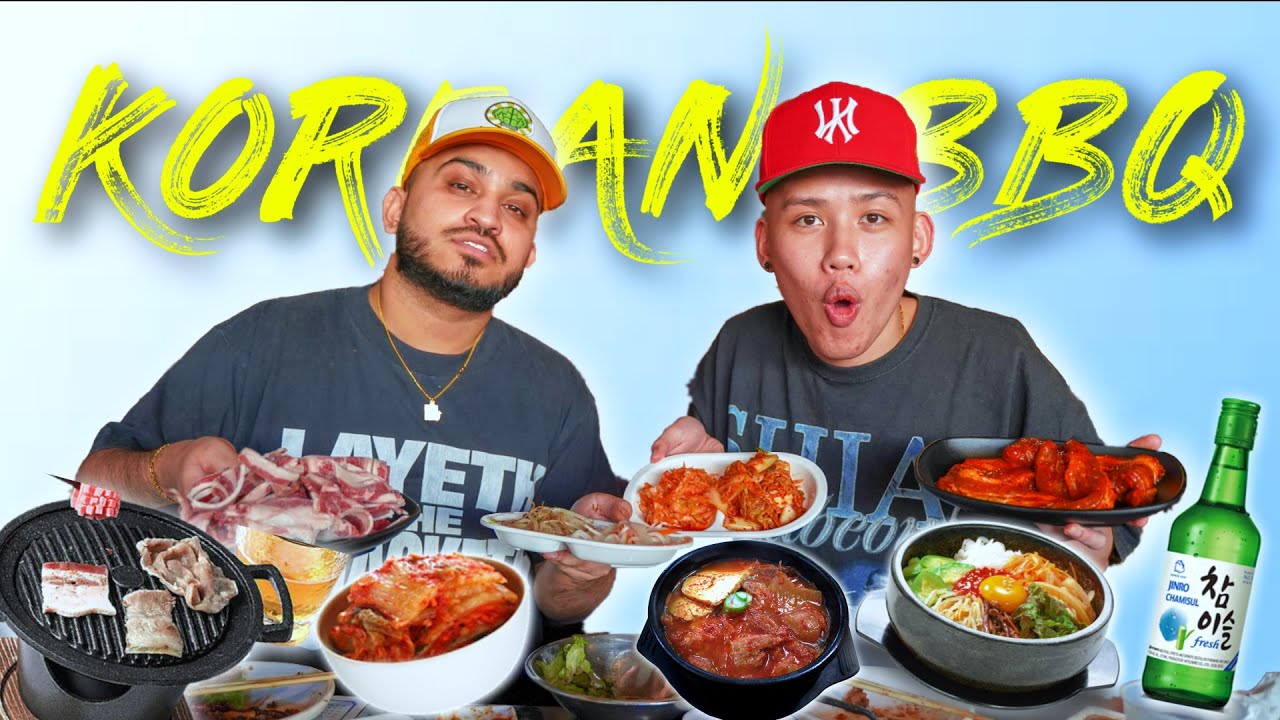
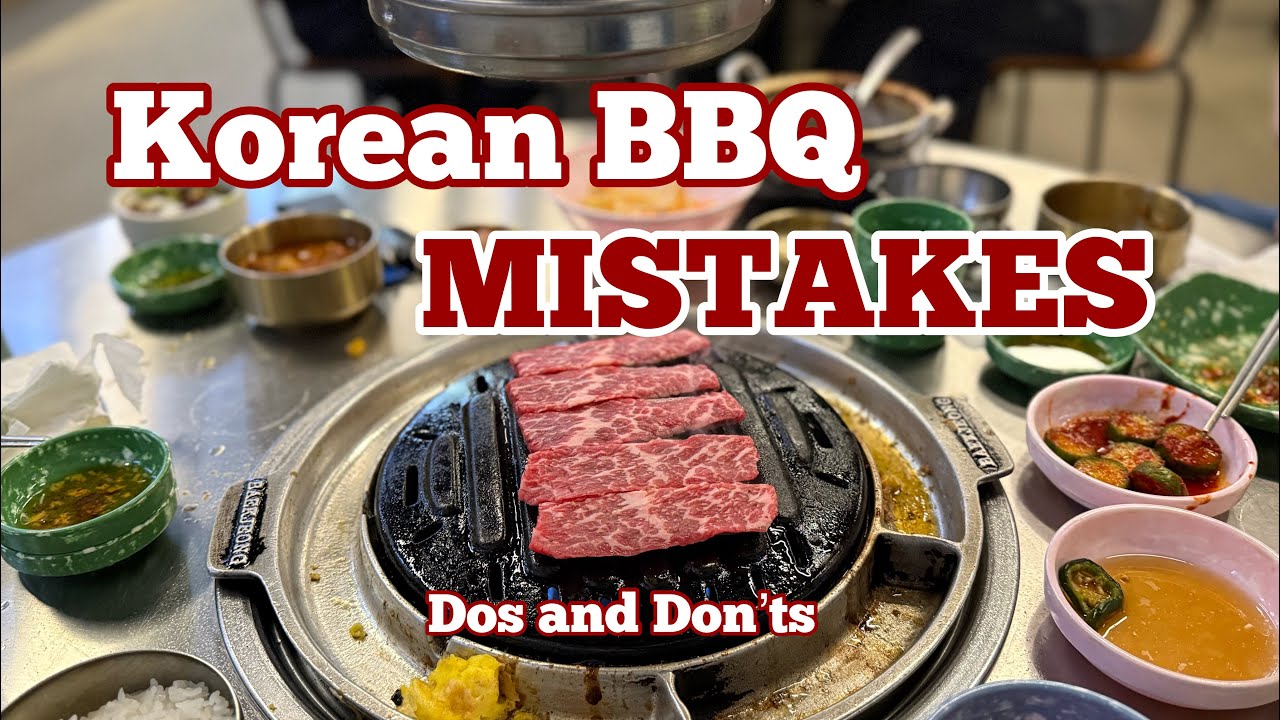
You sit at a table with a built-in grill — either charcoal (숯불, sut-bul) or gas. A server brings your raw meat and you cook it yourself at the table. Side dishes (반찬, banchan) arrive automatically and are refillable for free. You eat the grilled meat wrapped in lettuce or perilla leaves with condiments.
That’s the structure. Now the parts nobody explains.
What to Order: The Cuts That Matter

on Unsplash
Korean BBQ menus can be overwhelming at first. The main cuts you’ll see everywhere:
- 삼겹살 (Samgyeopsal) — Thick-cut pork belly. The most popular, the most forgiving to cook, the default choice. Start here if you’re unsure.
- 목살 (Moksal) — Pork shoulder. Slightly more flavor than samgyeopsal, slightly less fatty. Often overlooked.
- 소갈비 (So-galbi) — Beef short rib. More expensive, worth it occasionally. Usually marinated (양념갈비, yangnyeom galbi) or unmarinated (생갈비, saeng galbi).
- 차돌박이 (Chadolbaegi) — Thinly sliced beef brisket. Cooks in about 20 seconds. High fat content, deeply savory. Often paired with doenjang jjigae as a set.
- 항정살 (Hang-jeong-sal) — Pork jowl. The cut regulars order. Richer than samgyeopsal, slightly chewier, better flavor.
A standard order for two people: two portions of samgyeopsal or moksal, plus one of chadolbaegi or hangjeonsal. Add a stew (찌개, jjigae) to share — doenjang jjigae (된장찌개, fermented soybean paste stew) or kimchi jjigae (김치찌개) are the classics.
The Grilling: What to Actually Do

on Unsplash
Many restaurants will have a server grill for you — accept this gratefully. If you’re doing it yourself:
- Place meat on the hot grill. Don’t crowd it — cook in batches.
- Flip once when the bottom side shows color. Don’t flip repeatedly.
- Scissors are on the table for a reason — use them to cut the meat into bite-sized pieces on the grill. This is standard, not rude.
- Change the grill grate when it gets black. Ask a server — they’ll swap it quickly.
- Watch for flames from fat dripping — push meat to the side, not off the grill.
How to Eat It: The Wrap
The classic ssam (쌈) method: take a lettuce leaf (상추, sangchu) or perilla leaf (깻잎, kkaennip) in your palm, add a piece of grilled meat, a small amount of ssamjang (쌈장, the thick fermented paste), a slice of raw garlic, maybe a piece of green chili. Fold it up and put the whole thing in your mouth at once. This is not optional etiquette — it’s just how it tastes best.
The banchan side dishes exist to eat between bites of meat, not as separate courses. Kimchi on the grill alongside the meat is standard and makes both things better.
The Drinking Side
Korean BBQ and alcohol are inseparable. The standard pairing is soju (소주) — the clear grain spirit, about 16–25% alcohol depending on brand. Order one bottle per two people to start. Cass or Hite beer is also standard. Somaek (소맥) — soju mixed with beer at roughly 1:3 ratio — is what most people are actually drinking.
Pouring etiquette: don’t pour your own drink. Pour for others, and someone will pour for you. Receive the drink with both hands or with one hand touching your forearm — it’s a small gesture of respect that Koreans notice.
Pricing: What to Expect
Korean BBQ pricing varies enormously by cut and location. Budget end: 10,000–15,000 won per person for pork-focused meals at neighborhood spots. Mid-range: 20,000–35,000 won per person. High-end beef-focused restaurants: 50,000 won and up per person. Seoul’s Mapo-gu and Mapo Station area are known for concentrated, quality, affordable BBQ spots.
After dinner, many groups head to a nearby norebang (karaoke room) — this is so standard it’s practically scheduled into the evening.
The Bottom Line
Korean BBQ doesn’t require expertise to enjoy. But knowing the cuts, the grilling basics, and the ssam technique turns a good meal into a great one. Go with at least two people — the social dimension is part of what makes it work. Order more than you think you need. The banchan refills are free and the staff have seen it all before.
What’s your go-to cut at Korean BBQ? Or is there something about the experience that still confuses you? Drop it in the comments.