Korean Cafe Culture: Why Every Seoul Neighborhood Has 50 Cafes
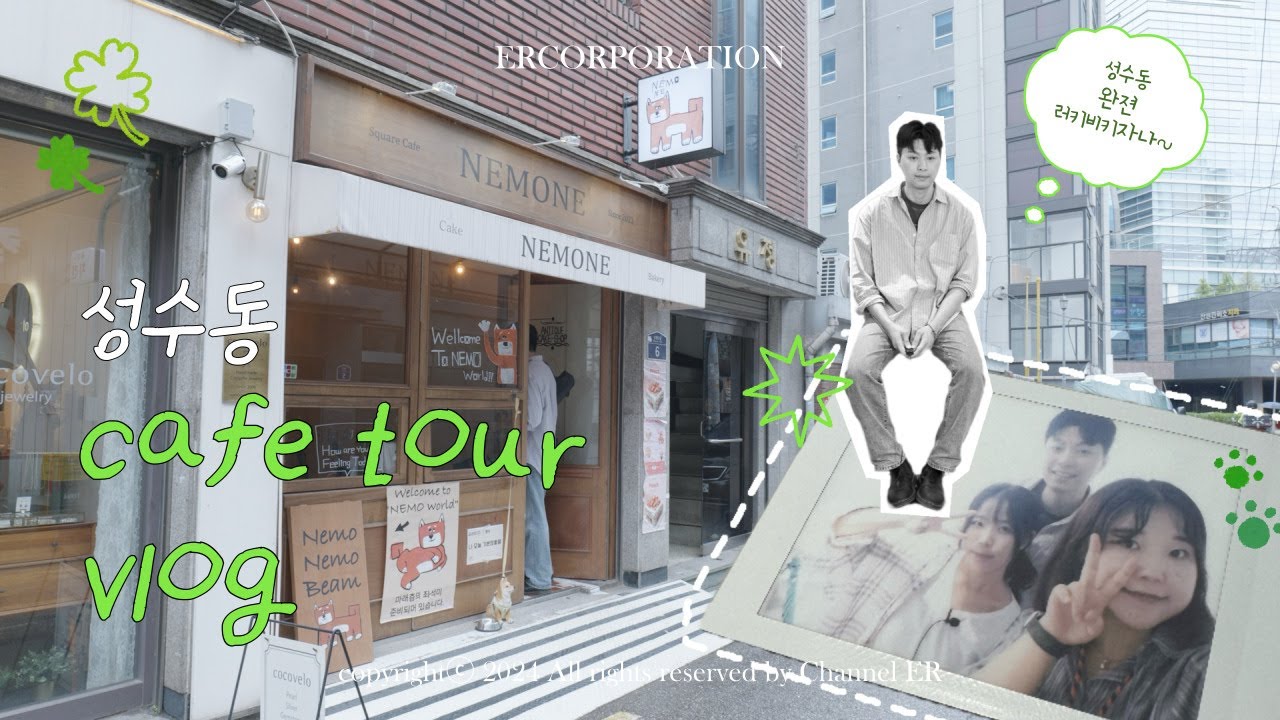
I counted the cafes on one street in Seongsu-dong once. There were eleven. On one street. And most of them were busy. I just stood there for a second trying to understand the math of how that works.
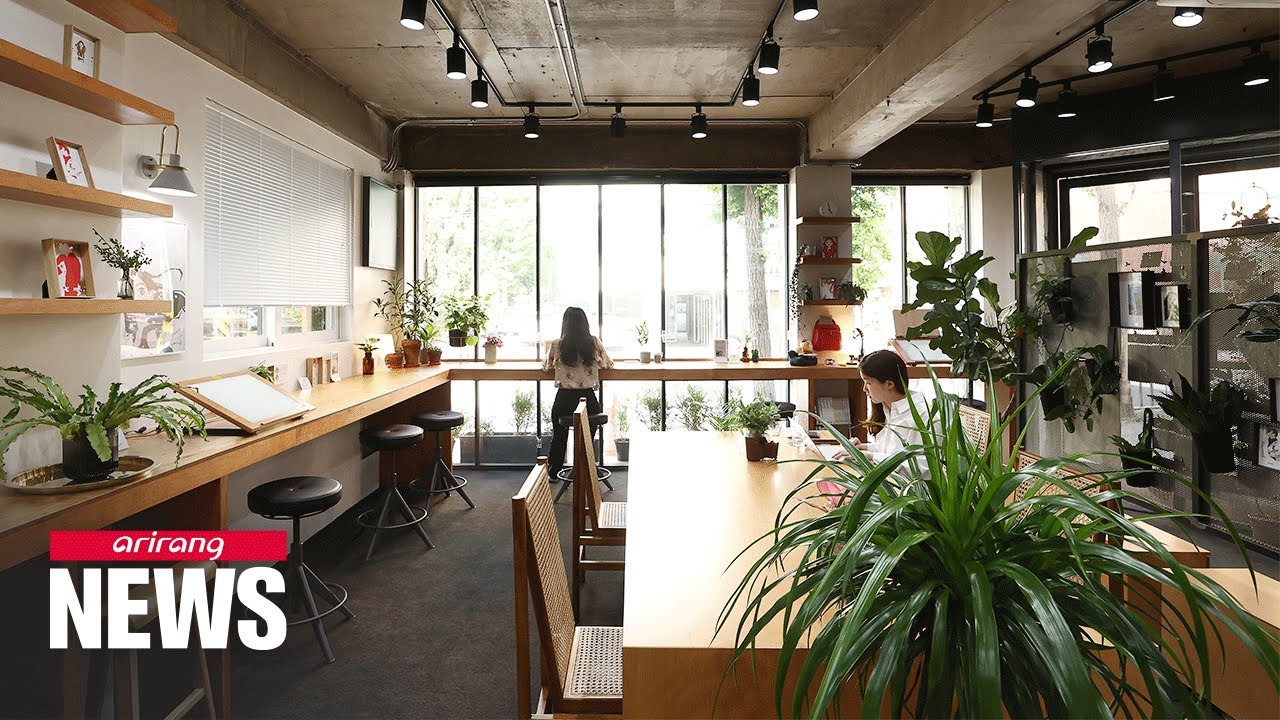
Korean cafe culture is its own thing. Its not really about the coffee. Cafes in Korea are basically the living rooms that small Seoul apartments do not have. People study there, have meetings there, go on first dates there, and sometimes just sit for two hours with one americano and nobody bothers them at all. The cafe is neutral ground in Korea.
Here is why there are so many, and which neighborhoods are actually worth exploring.

Why So Many Cafes

on Unsplash
The short version: Korea’s MZ generation (Millennials and Gen Z) uses cafes as their default social infrastructure. Apartment sizes in Seoul are small. Meeting at someone’s apartment requires a level of intimacy that most social situations don’t have. The cafe is neutral ground — cheap enough to sit in for two hours on a coffee, nice enough to feel like you’re doing something.
The average Korean cafe customer stays 1–2 hours per visit. The café is not just a place to get coffee quickly. It’s a place to study, work, have meetings, go on first dates, catch up with friends, or sit alone without feeling weird about it. The economic model is based on dwell time, not throughput.
This shapes everything: furniture comfort, WiFi quality, outlet availability, ambient noise levels, and the reason Korean cafes almost universally have better playlists than cafes anywhere else.
Specialty Coffee vs Franchise: The Landscape

on Unsplash
Korean cafe culture splits into two distinct tiers that don’t overlap much.
Specialty coffee shops — Seoul’s specialty coffee scene is legitimately world-class. Areas like Seongsu-dong, Yeonnam-dong, and Mangwon-dong have concentrations of third-wave coffee shops doing single-origin espresso, filter methods, and experimental brewing at a level that competes with Tokyo and Melbourne. If you care about coffee quality, Seoul rewards you.
Franchise chains — Ediya Coffee, Mega Coffee, and Compose Coffee compete at the value tier: 2,000–3,500 won americanos, minimal seating luxury, maximum density of locations. The Korean franchise coffee scene is significant because it made daily coffee economically accessible at a time when Starbucks was charging three times the price. These chains matter — they’re where most Korean daily coffee happens.
The famous middle tier — Starbucks, A Twosome Place, Paul Bassett — exists and functions, but it’s neither the most interesting nor the most economical option available.
Concept Cafes: The Seoul Specialty
Seoul has elevated the concept cafe (컨셉 카페) to a distinct art form. These are cafes built around a theme or aesthetic, where the space itself is the product.
- Animal cafes — Cat cafes (고양이 카페), dog cafes, raccoon cafes, even otter cafes. You pay an entry fee that includes a drink, and the animals roam freely. Quality varies — the better ones are well-regulated.
- Themed aesthetic cafes — Cafes designed around specific visual concepts: greenhouse-style with plants everywhere, industrial warehouse converted spaces, traditional Korean (한옥 카페, hanok cafe), rooftop-only cafes with city views.
- Dessert-first cafes — Places where the pastry or dessert is the point, the coffee is secondary. Croissant specialists, tart shops, bingsu cafes. See our bingsu guide for the dessert cafe tier specifically.
Best Neighborhoods for Cafe Exploring
- Seongsu-dong (성수동) — Called “Seoul’s Brooklyn.” Converted factory district with the highest density of specialty coffee and concept cafes. The Instagram-worthiest neighborhood in the city right now.
- Yeonnam-dong (연남동) — Adjacent to Hongdae, quieter, tree-lined streets, strong indie cafe scene. Better for long sit-down coffee work sessions.
- Ikseon-dong (익선동) — Covered separately, but its hanok cafes are worth the trip specifically.
- Samcheong-dong (삼청동) — Between Bukchon and Gyeongbokgung. Art galleries and small cafes in a quieter, more residential setting than most tourist areas.
Cafe Etiquette
A few things that differ from western cafe norms:
- Laptops and extended studying are normal and expected — you will not be asked to leave or pressured by staff
- Ordering is usually at the counter; table service is uncommon at non-restaurant cafes
- “Cafe hopping” (카페 투어, cafe tour) is a legitimate planned activity — spending a day visiting multiple cafes in a neighborhood
- Desserts and drinks are almost always ordered together; getting just water is unusual
The Bottom Line
Seoul’s cafe culture rewards time spent in it. The first cafe you walk into will be fine. The cafe you discover by turning down a side street in Seongsu or Yeonnam will be better. The best approach: pick a neighborhood, walk, and follow the line — in Korea, a queue outside a cafe almost always means the queue is justified.
What’s the best cafe you’ve found in Seoul — or the concept cafe that made you do a double-take? Share it in the comments.