Norebang Guide: How to Survive (and Love) Your First Korean Karaoke Room
My Korean friend dragged me to norebang after dinner. I said I did not want to sing in front of people. She said that is the whole point — there are no people. Just us in a private room. I said ok fine, one hour maximum. We stayed for three hours. I sang Bohemian Rhapsody twice. I regret nothing.
Norebang (노래방) is not karaoke the way most people think of karaoke. No bar, no stage, no strangers watching you. You get a private room, two microphones, and a tambourine. You sing with your group until someone finally says we should probably go home. Nobody ever wants to be the one to say it.
Here is how the whole thing works from walking in to walking out.
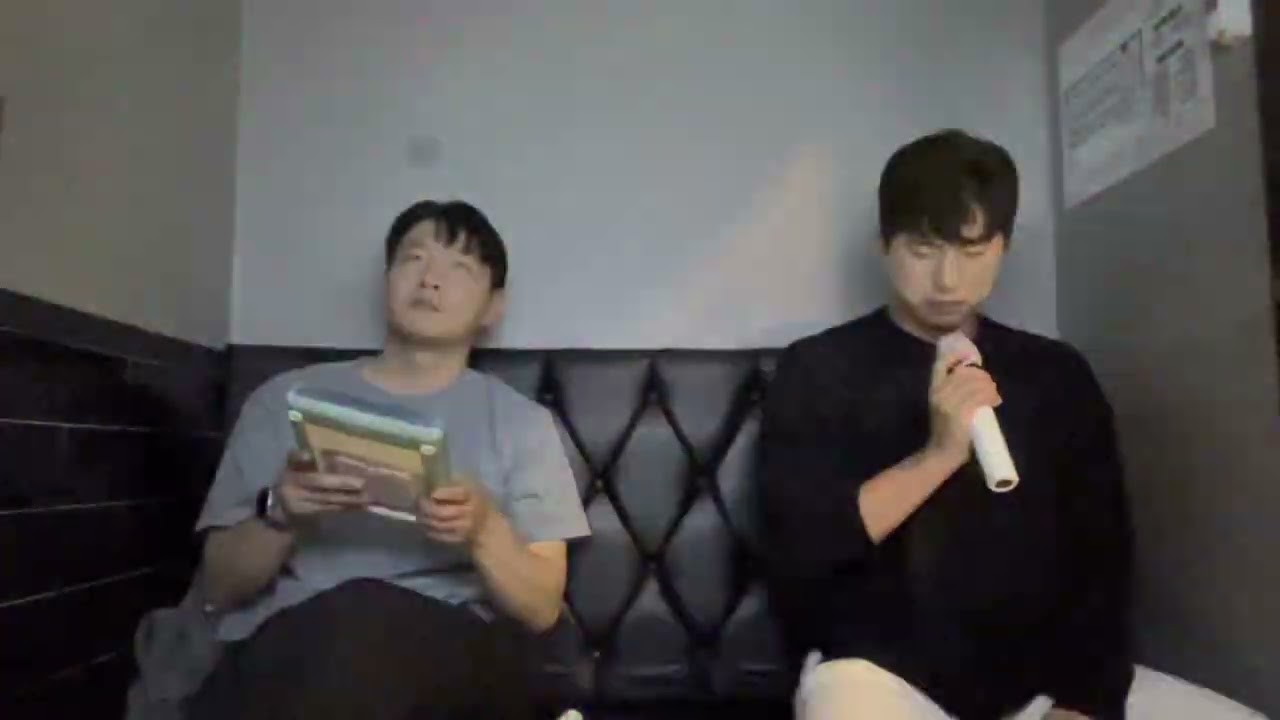


It’s one of the most common social activities in Korea. After dinner, after Korean BBQ, after chimaek — someone will suggest norebang and the group will go. Understanding how it works changes the experience significantly.
How Norebang Actually Works

on Unsplash
You walk in, tell the staff how many people you have, and get assigned a room. Rooms are sized for 2–4 people (small), 5–8 people (medium), or larger groups. You pay by the hour — usually 15,000–30,000 won per hour for a small room, higher for weekends and peak hours.
Inside the room:
- A large TV screen displaying lyrics
- Two (or more) microphones
- A tambourine — always a tambourine
- A songbook or tablet for song selection
- A phone to call staff for food/drink orders
- A remote control for the karaoke machine that nobody fully understands on the first try
Songs are selected by number — look up the number in the book or tablet, type it into the machine. The queue is visible on screen. You can add songs to the queue while someone else is singing. This system is efficient and leads to competitive queuing in large groups.
The Song Selection: English Options Are Good

on Unsplash
Korean norebang machines have extensive English-language song libraries. Classic pop from every decade, current hits, country, rock, everything. The English catalog is genuinely broad — don’t assume you’re limited to Korean songs.
For Korean songs: current idol group hits are extremely well-represented. Older Korean ballads (발라드, ballad) are the category that Korean adults take most seriously — if someone in your group starts singing a 1990s Korean ballad with their eyes closed, you give them the respect of listening.
Strategy for non-Korean speakers: pick songs you actually know well. The melody support system (반주, banju) carries the tune but can’t save you if you don’t know the words. Crowd-pleasers in mixed groups: anything with a recognizable chorus, slower tempo, and lyrics you can fake through the verse.
Coin Norebang: The Budget Alternative
코인노래방 (coin norebang) is a stripped-down version — tiny rooms that fit 1–2 people max, where you insert coins (usually 500 won) per song. No time limit, no booking, no staff interaction required. Just walk in, find an empty room, insert coins, sing.
Coin norebangs are ubiquitous — near subway stations, in basement levels of commercial buildings, sometimes in convenience store basements. They’re how Koreans practice songs before going to regular norebang. They’re also where solo singing happens without social judgment. Worth experiencing for the contrast.
The Food and Drink Situation
Most full norebangs have drink and snack menus. You call the front desk using the room phone, order, and staff brings it in. Standard options: beer, soju, juice, ramen, simple snacks. Prices are marked up from street prices — accept this as the room service premium and order anyway. Singing is better with drinks.
Important: regular norebangs (as opposed to “adult” establishments) serve alcohol but in a licensed, normal context. This is a mainstream social activity that Koreans of all ages participate in.
Time Mechanics: The Extension System
When your booked time is running out, a warning appears on screen. You can extend — usually the front desk calls or a staff member knocks — by paying for additional time in blocks. Nobody will physically remove you when time runs out, but extending is the socially expected move if the group isn’t done.
Groups commonly stay 1.5–3 hours. Losing track of time is extremely common. Norebang has a time-warping effect that’s well-documented.
After Norebang
The standard post-norebang move is either going home or going to a PC bang if it’s late enough. Both are acceptable. The jimjilbang (찜질방) is also an option — the jimjilbang guide here covers how to use it as a late-night/overnight option.
The Bottom Line
Norebang works because it removes the audience. There’s no performance anxiety, no judgment from strangers, no reason to be good. You just sing with your group. The tambourine helps. The drinks help more. By the second song, everyone’s committed regardless of skill level.
If you’re visiting Korea and someone invites you to norebang, go. Say yes without negotiating. Whatever happens in that room is already part of the experience.
What’s your go-to norebang song — English or Korean? Or did you discover you’re secretly a much better singer than expected? Tell us in the comments.
Picking a playful Korean-style nickname for the night? Our Korean Name Converter can turn your English name into Hangul before your first norebang song.