Korean Street Food Beyond Tteokbokki: 10 Things First-Timers Always Miss
I spent my first week in Korea eating tteokbokki and corn dogs because those are the things everyone talks about. They are good. But I was basically ignoring 80% of what was actually on the street. I walked past the bindaetteok stall at Gwangjang Market three times before someone told me what it was. Three times!
Korean street food goes way deeper than the stuff that shows up in travel videos. The markets have things with no English signs and no Instagram accounts. And honestly those are usually the best ones.
Here are 10 things first-timers walk right past without knowing what they are missing.
The Market Circuit: Where to Actually Find It

on Unsplash
Korean street food doesn’t live primarily on tourist streets — it lives in markets. The major ones in Seoul:
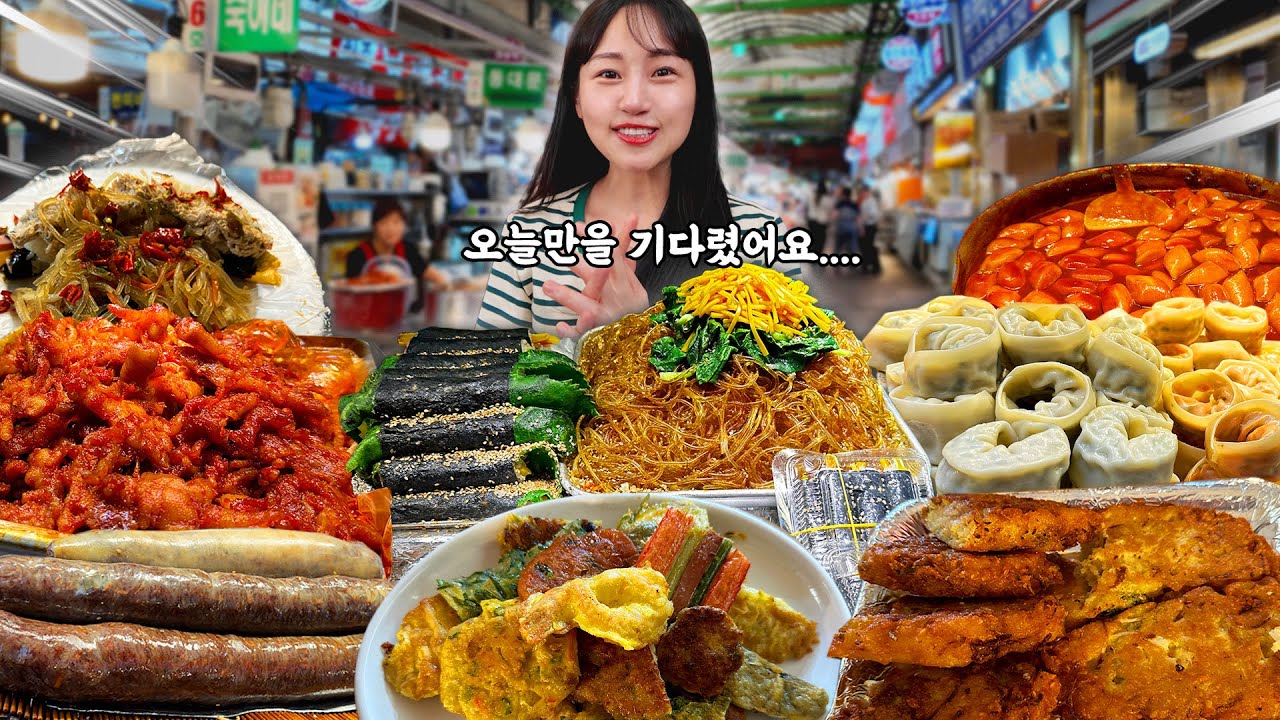
- Gwangjang Market (광장시장) — One of the oldest markets in Korea. Famous for bindaetteok, mayak gimbap, and yukhoe (raw beef). Go for lunch or dinner.
- Namdaemun Market (남대문시장) — Larger, more commercial, good for hotteok and kal국수.
- Tongin Market (통인시장) — Near Gyeongbokgung, famous for the dosirak (lunchbox) experience where you use old Korean coins to select banchan.
- Myeongdong street stalls — Myeongdong’s evening food stalls are reliable for a range of classic items, though prices run tourist-area premium.
10 Korean Street Foods Worth Going Out of Your Way For

on Unsplash
1. 빈대떡 (Bindaetteok) — Mung Bean Pancake
Ground mung beans, vegetables, and sometimes pork, pan-fried to crispy. Gwangjang Market’s bindaetteok vendors are the benchmark. Heavier than it looks, savory, and excellent with막걸리 (makgeolli, rice wine). About 4,000–6,000 won.
2. 마약김밥 (Mayak Gimbap) — Addictive Mini Gimbap
“Mayak” means narcotic — named for how addictive these thumb-sized rolls are. Gwangjang Market origin. Radish, carrot, and spinach in a tiny roll, eaten with yellow mustard and soy sauce. Ten pieces for about 3,000 won. The name is the honest part.
3. 순대 (Sundae) — Korean Blood Sausage
Glass noodles and vegetables stuffed into pig intestine casing. Usually served sliced with salt and perilla leaves, sometimes with tteok and eomuk in a soup. Acquired taste — but if you’re doing Korean street food seriously, it’s not optional.
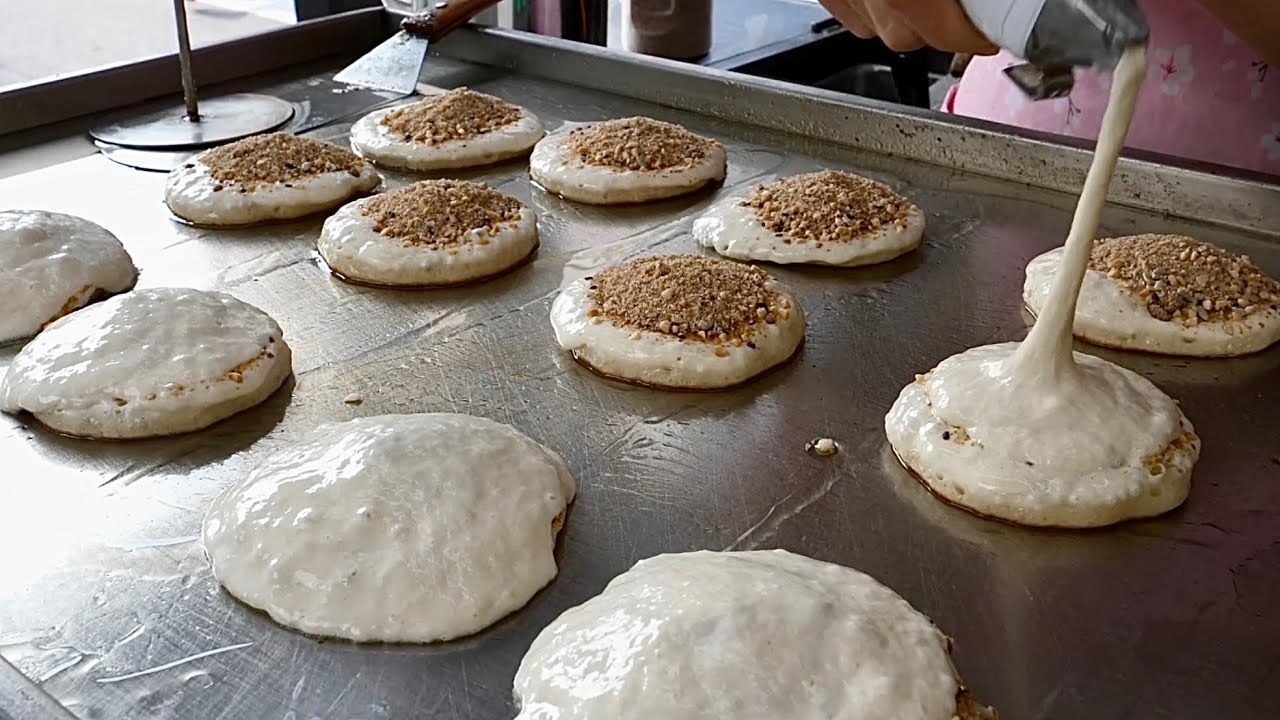
4. 호떡 (Hotteok) — Sweet Filled Pancake
A dough pancake pressed flat on the griddle, filled with brown sugar, cinnamon, and nuts. Eaten hot. The sugar inside becomes molten — eat carefully. Best in winter, available year-round. 1,000–2,000 won.
5. 어묵/오뎅 (Eomuk/Odeng) — Fish Cake Skewers
Processed fish cake on a skewer, simmered in broth. The broth cup is free. Staple of pojangmacha carts and convenience store hot counters. It sounds unimpressive. It tastes better than it sounds, especially in cold weather.
6. 계란빵 (Gyeranppang) — Egg Bread
Slightly sweet bread baked around a whole egg. Warm, soft, filling, cheap (1,000–1,500 won). Often underestimated. Often the right call at 11PM when you need something.
7. 닭꼬치 (Dak-kkochi) — Grilled Chicken Skewer
Grilled chicken on a skewer, glazed with sweet soy or spicy sauce. More substantial than other street snacks. 2,000–3,000 won. Common near university areas and night markets.
8. 붕어빵 (Bungeoppang) — Fish-Shaped Pastry
Batter baked in a fish mold, filled with sweet red bean paste. Winter seasonal item — you’ll see the carts appear when the weather drops. No fish flavor whatsoever, despite the name and shape. 1,000 won for three.
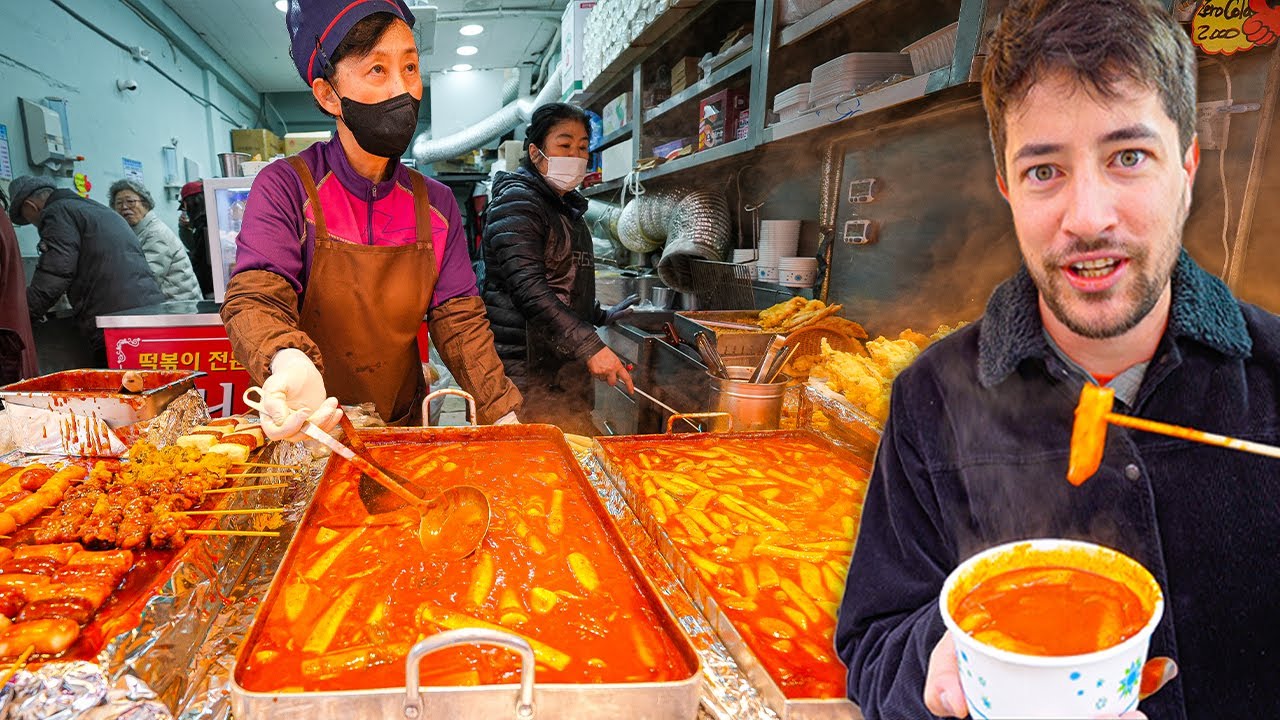
9. 떡꼬치 (Tteok-kkochi) — Rice Cake Skewer
Cylindrical rice cakes on a skewer, coated in the same sauce as tteokbokki. More portable than a bowl of tteokbokki. The chewy texture of the rice cake is the whole point — if you haven’t had it, you don’t know yet.
10. 길거리 토스트 (Street Toast)
A Korean-style breakfast sandwich: egg, cabbage, and sometimes ham pressed into a square in a buttered pan, then put between white bread. Sweet and savory because there’s jam involved. Confusing until you try it. Then extremely logical.
Street Food Etiquette
A few things worth knowing: most street food is eaten standing or walking. There’s no table, no service, no tip. You pay, you eat, you move. Vendors are usually patient with tourists who don’t speak Korean — point at what you want and hold up fingers for quantity. Prices are posted almost everywhere.
Stock up at a convenience store before or after — the combination of street food and convenience store browsing is a legitimate Seoul evening activity.
The Bottom Line
Korean street food is one of the best cheap eating experiences in Asia, but only if you go past the obvious items. The markets have the depth. The carts have the classics. And the variety is enough to fill an entire trip without repeating.
What’s the Korean street food you didn’t expect to love? Or the one that surprised you the most? Tell us in the comments.