Jimjilbang: The Complete First-Timer’s Guide to Korean Saunas
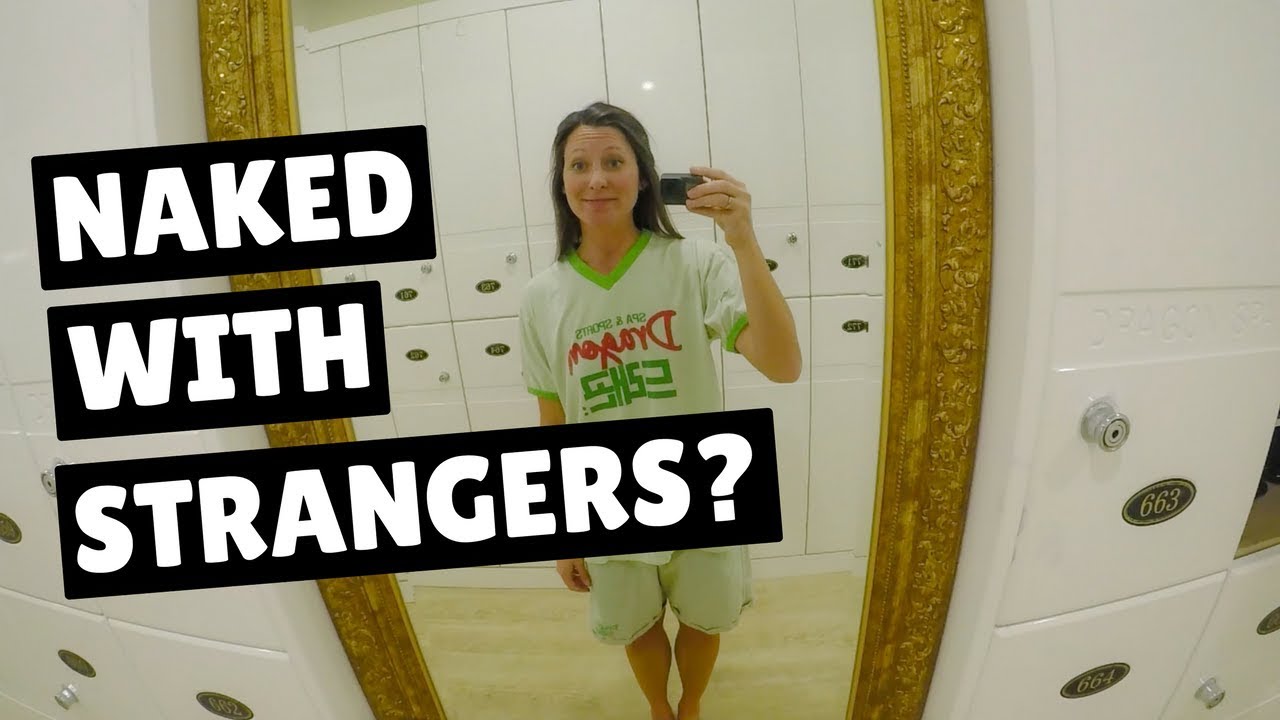
Ok so I walked into a jimjilbang for the first time and had absolutely no idea what I was doing. Like, zero. I stood in the changing room holding a tiny towel thinking — wait, do I actually have to take everything off? Yes. You do. Everything.
A jimjilbang (찜질방) is basically a Korean sauna. But calling it “just a sauna” is kinda like calling ramen “just noodles.” There is so much more going on inside. Hot rooms, cold rooms, a lounge where people sleep on the floor, boiled eggs, rice drinks. Its a whole world in there. And once you figure out how it works, you will want to come back every trip.
Here is everything I wish someone told me before I went in.
That’s because it is. A jimjilbang (찜질방) is one of those Korean institutions that sounds simple — public sauna — and turns out to be a whole world once you’re inside. Here’s everything you need to know before you go.
What a Jimjilbang Actually Is

on Unsplash
A jimjilbang is a Korean public bathhouse and sauna facility. You pay an entry fee (usually 10,000–15,000 won), get a towel and a set of shorts and t-shirt, and have access to the full facility for as long as you want — including overnight.
Most jimjilbang have:
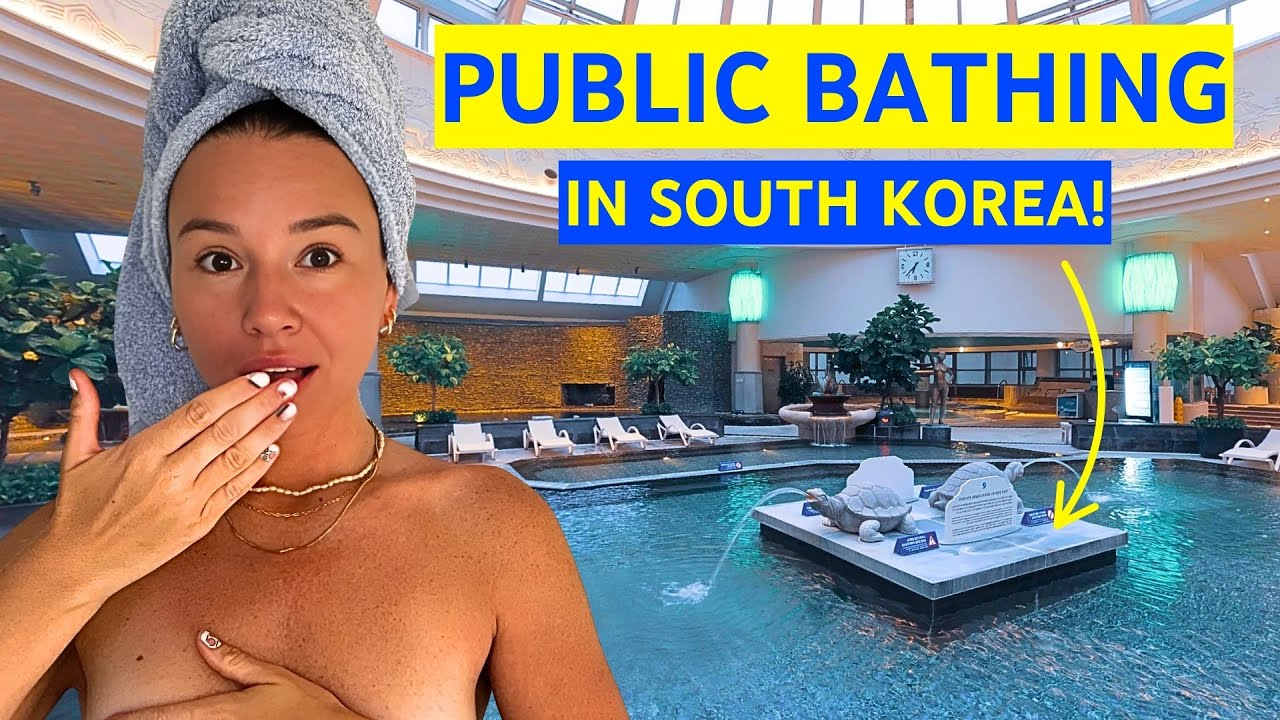
- Sex-separated bathing areas — hot tubs, cold pools, scrub stations. Fully nude. No swimwear.
- Communal heated rooms — the jimjil area, where everyone wears the provided shorts and t-shirt. Mixed gender.
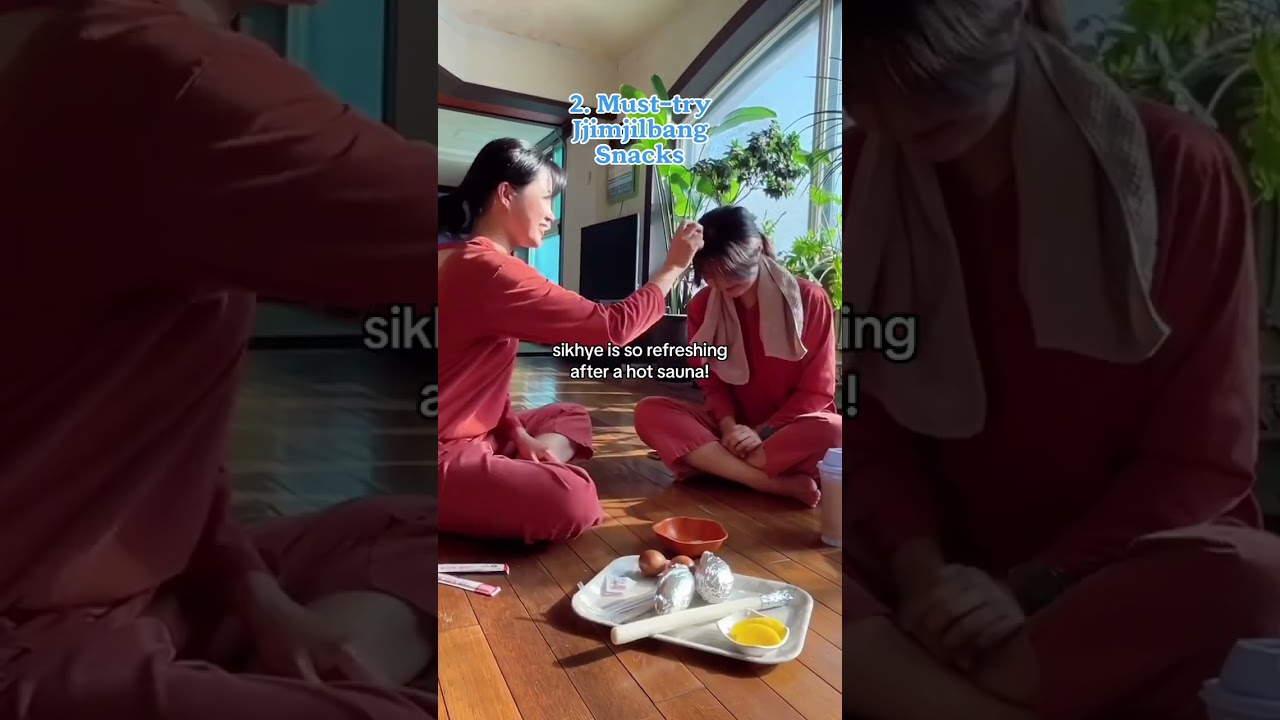
- Communal lounges — large heated floors where people sleep, watch TV, and eat.
- Food and drinks — sikhye (식혜, rice drink), boiled eggs, ramen, and snacks.
The Bathing Area: What Jimjilbang First-Timers Need to Know

on Unsplash
The bathing area is separated by gender and clothing is not worn. This is the part that makes some visitors nervous. It shouldn’t — everyone is there to bathe and nobody is paying attention to you.
- Shower stations — always shower before entering any of the pools
- Hot tubs at various temperatures
- Cold plunge pool
- Scrub stations — the famous italy towel (이태리 타올) exfoliation. Do it yourself or pay extra for a professional scrub (sessin, 세신) that is exactly as intense as it sounds
The shower-first rule is not optional. Shower before you get in anything.
The Jimjil Rooms: How to Use Them

on Unsplash
Once you’ve finished in the bathing area, put on the provided shorts and t-shirt and head to the communal areas. Different rooms, different purposes:
- 황토방 (hwangto-bang) — yellow clay room, very hot, good for circulation
- 소금방 (sogeum-bang) — salt room, lined with Himalayan salt bricks, slightly cooler
- 냉방 (naeng-bang) — cold room, for recovery between hot sessions
- 숯방 (sut-bang) — charcoal room, said to detoxify
The move is to alternate between hot and cold rooms. Go in the hot room until you can’t take it, cool down, repeat. Most people stay 5–20 minutes per room.
The Communal Lounge: The Real Heart of Jimjilbang
The communal lounge is where the jimjilbang experience comes together. Large heated wooden floors, TV screens, people sleeping under thin blankets, groups of friends talking, couples on dates, families with kids, elderly regulars who treat this as a second home.
This is where you eat the boiled eggs (맥반석 계란) — cooked in the kiln-style rooms, slightly browned, with a different texture than regular boiled eggs. Eat them with the sweet sikhye drink. It’s the official jimjilbang meal and it costs almost nothing.
You can also sleep here. Many Koreans use jimjilbang as budget overnight accommodation — cheaper than most guesthouses, open 24 hours. Bring earplugs.
Practical Information: Cost, What to Bring, Where to Go
What to Bring
- Nothing you can’t leave in a locker — towels and clothing are provided
- Small amount of cash for food and optional extras
- Flip flops (optional but comfortable)
- Change of underwear if staying overnight
Cost Breakdown
- Entry fee: 10,000–15,000 won (includes towel and clothing)
- Professional scrub (sessin): 15,000–25,000 won extra
- Food and drinks: 1,000–5,000 won per item
- Overnight stay: usually included in entry fee
Good Jimjilbang in Seoul
- Dragon Hill Spa (용산) — large, tourist-friendly, English signage, multiple themed pools and rooms
- Siloam Sauna (서울역) — local favorite, less tourist-oriented, open 24 hours
The Bottom Line
A jimjilbang is one of the most genuinely Korean experiences you can have — not because it’s exotic, but because it’s completely ordinary to Koreans. It’s where people go to relax, recover, socialize, and sometimes just have a place to sleep that isn’t their apartment.
Go in with low expectations for glamour and high expectations for sweating, and you’ll leave a convert.
Have you tried a jimjilbang? Or is the nudity situation putting you off? Drop your questions or stories in the comments.