Hiking in Korea: Why Foreigners Are Obsessed with Korean Trails
My friend told me she was going hiking in Seoul. I thought she meant like, a park. A flat walk somewhere. Maybe some trees. She sent me a photo an hour later from the top of a granite peak with the entire city spread out below her. I had no idea Seoul had mountains like that.
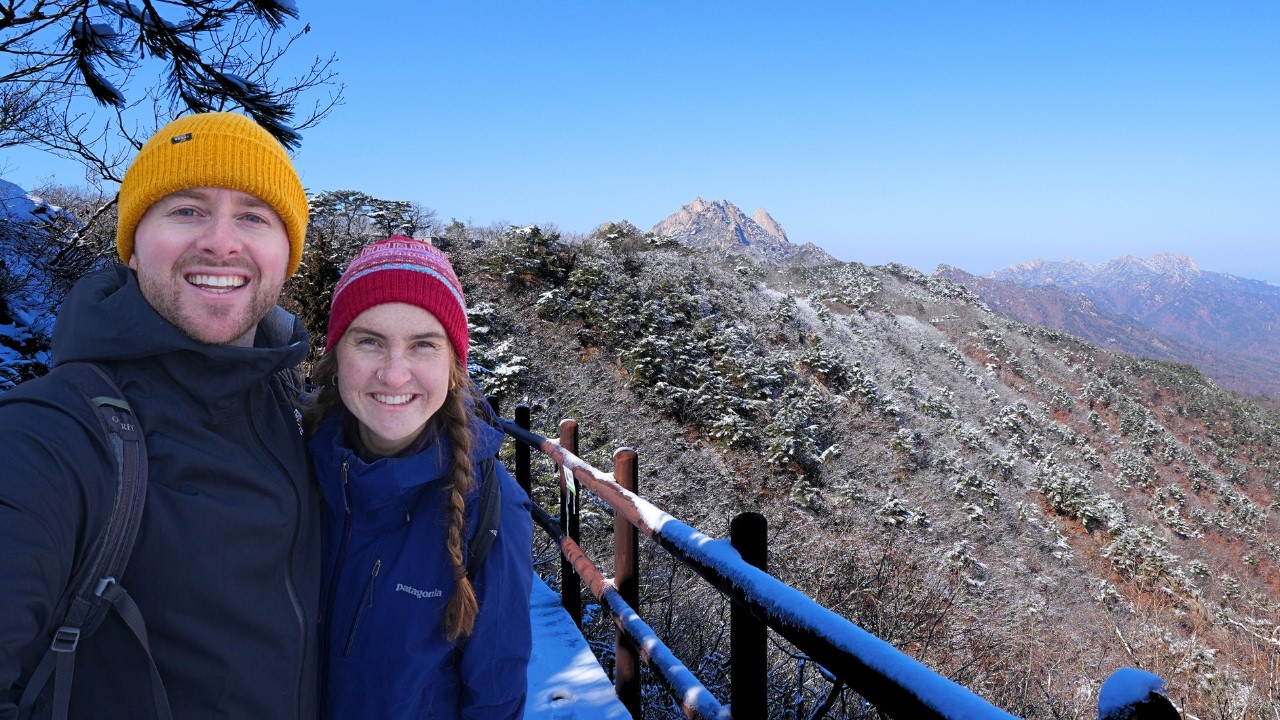
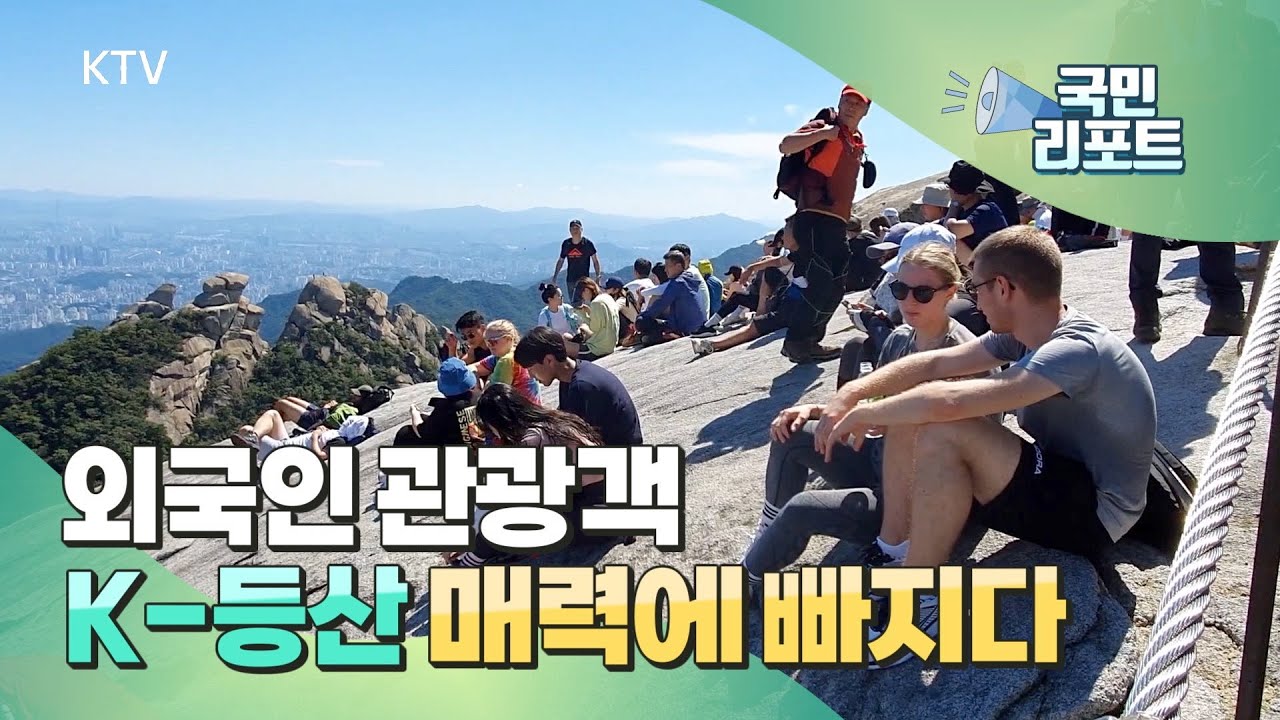
Hiking in Korea (등산, deungsan) is having a real moment right now with foreigners. And honestly? It makes total sense once you actually do it. Mountains right inside the city. Well-marked trails. Incredible views. And a whole culture around hiking that is completely its own thing in Korea.
Here is everything you need to know before you go.
Why Hiking in Korea Is Different

on Unsplash
First thing you notice on a Korean trail: everyone is dressed like they are in a gear catalog. Full technical jackets. Matching pants. Trekking poles. Even on a short trail. Even the grandmas. Especially the grandmas.
This is not a joke. Koreans take hiking gear seriously. The outdoor clothing industry in Korea is massive. Brands like K2, Blackyak, and Kolon Sport are everywhere. You will feel slightly underdressed in your regular clothes and thats ok. You will still get up the mountain just fine.
The other thing that is different: Koreans hike at a pace. Like, a real pace. You will get passed by people who are older than your parents, carrying full backpacks, not even breathing hard. Just accept it and enjoy the view.
Bukhansan: The Best First Hike in Seoul

on Unsplash
If you are going hiking in Korea for the first time, start with Bukhansan (북한산). Its a national park. And its literally inside Seoul. You take the subway there. That alone is kind of amazing.
Bukhansan has several routes. The most popular goes up to Baegundae Peak (백운대) which is the highest point at 836 meters. The trail is about 4-5 hours round trip. Its not easy — there are sections with ropes and steep granite slabs. But it is very doable for someone in normal shape.
What you see from the top is genuinely one of the best views in all of Seoul. The whole city just sits there below you. Apartment blocks as far as you can see. And you are standing on bare rock above all of it. It does not look real.
Other good routes in Bukhansan:
- Dobongsan (도봉산) — On the other side of the park. Slightly less crowded. Dramatic rocky ridges. Also great.
- Bukhansanseong trail — Goes through an old fortress wall. More historic feel. A bit easier than the Baegundae summit route.
- Suseongdong Valley (수성동 계곡) — Shorter walk. Good for a casual afternoon. Has a stream running through it which feels amazing in summer.
What to Bring (And What Koreans Always Bring)

on Unsplash
The basics are obvious. Water, snacks, sunscreen, decent shoes. But here is the Korean hiking culture stuff nobody tells you about.
막걸리 (Makgeolli) at the top. This is real. Koreans hike up the mountain and then drink rice wine at the summit or on the way down. There are little stalls and tents selling makgeolli and pajeon (savory pancakes) near many trailheads and rest stops. Its not weird. Its tradition. And after a long hike it tastes unbelievably good.
Trail snacks. Kimbap, hard boiled eggs, dried squid, yakgwa (sweet honey cookies). Koreans pack real food for hikes. Not just protein bars. You will see people sitting on rocks eating full meals. Do the same. You deserve it.
Trekking poles. Seriously consider renting or buying cheap ones. The descents on Korean granite trails are steep and your knees will thank you.
How to Get There (Its Easier Than You Think)
This is the part that surprises most people. You do not need a car. You do not need a tour. You just take the subway.
For Bukhansan Baegundae route: Take Line 3 to Gupabal Station (구파발역), then bus 704 to Bukhansan Ui (북한산우이) or the entrance area. About 45 minutes from central Seoul total.
For Dobongsan: Take Line 1 or 7 to Dobongsan Station (도봉산역). Walk out of the exit and the trailhead is basically right there. Incredibly easy.
Google Maps works fine for navigating to the trailheads. Naver Maps works even better inside Korea.
The Best Time to Go
Spring and fall are peak season for a reason. The cherry blossoms on the lower trails in April are genuinely beautiful. And the autumn leaves in October turn the whole mountain orange and red. Those are the best times but also the most crowded.
Summer works but its hot and humid. Go early morning like 6 or 7AM before the heat really hits. The trail feels completely different at that time. Quiet, cool, mist still on the peaks sometimes.
Winter hiking is a thing in Korea too. Koreans do not stop for cold weather. Ice crampons are sold at shops near the trailheads. Some trails get icy but the views of snow on granite are worth it if you are prepared.
Weekday mornings are way less crowded than weekends. If you can go on a Tuesday or Wednesday you will basically have the trail to yourself compared to Saturday.
The Hiking Culture Thing
One thing that really sticks with you about hiking in Korea: the community aspect. Strangers say hello on the trail. Older hikers sometimes stop to check if you are ok. Groups share snacks with people they just met.
There is also something called 산악회 (sanakkhoe) — hiking clubs. Koreans form these groups and go hiking together on weekends. You will see them on the trails, all wearing matching jackets, hiking in a big cheerful group. Its a whole social world built around mountains.
And the pace thing I mentioned earlier — Koreans also have a saying, 빨리빨리 (ppalli ppalli), which means hurry hurry. It applies to hiking too. Koreans tend to go up fast and come down fast. Take your time. Nobody will judge you for stopping to catch your breath. Well. Maybe the grandmas a little.
After the Hike
The standard post-hike move in Korea is to find the nearest restaurant near the trailhead and eat a massive meal. Dwaeji-gukbap (돼지국밥, pork rice soup), doenjang jjigae, or samgyeopsal — basically whatever is hot and filling. Your body will want everything on the menu. Order accordingly.
Then, if you are really doing it the Korean way, you go to a jimjilbang afterwards. Sore muscles plus a hot bath plus a heated floor to lie on. It is the perfect end to a hiking day and Koreans have figured this out completely.
The Bottom Line
Hiking in Korea is one of those things you do not plan for and then it becomes a highlight of the whole trip. The access is easy. The trails are well maintained. The views are legitimately stunning. And the culture around it — the gear, the makgeolli, the trail snacks, the grandmas overtaking you — makes it genuinely fun in a way that is completely different from hiking anywhere else.
Go to Bukhansan first. Then come back and do Dobongsan. Then start looking up the other 20 mountains within reach of Seoul.
Have you tried hiking in Korea? Which mountain was your favorite — or which one is on your list? Drop it in the comments.