Hallasan: What Nobody Tells You Before You Hike Jeju’s Biggest Mountain
I read exactly one article about Hallasan before I went. It said the hike was beautiful and took about 5 hours round trip. That was basically all I knew. I showed up at the trailhead at 9:30AM. A ranger very politely told me I was too late to attempt the summit. The last entry time for the Seongpanak trail was 9AM. I had missed it by 30 minutes. I turned around and went back to my pension to reconsider my life.
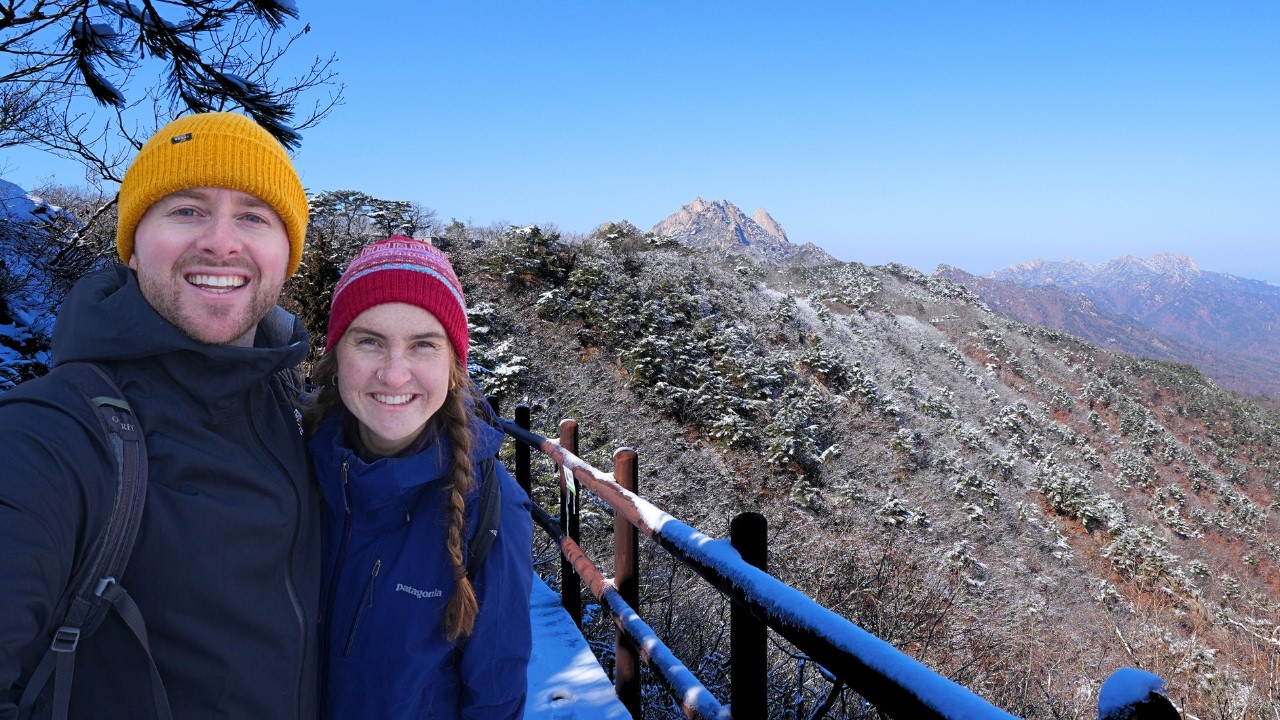
Do not be me. Hallasan has specific rules that matter a lot. Here is everything I know now that I wish I had known before that morning.
What Hallasan Actually Is
Hallasan (한라산) is the highest mountain in South Korea at 1,947 meters. It sits in the center of Jeju Island and is a UNESCO World Heritage Site. It is a shield volcano — the whole island is technically built on ancient lava flows from Hallasan. The summit contains a crater lake called Baengnokdam (백록담) which is stunning when you can see it.
The hike to the summit is a full-day commitment. Not a half-day thing. Not something to fit in casually between morning coffee and dinner plans. A proper day hike that requires planning.
The Reservation System
Since 2021, Hallasan summit trails require advance online reservation. You cannot just show up. You book your slot on the Korea National Park Service reservation website (reservation.knps.or.kr). Reservations open 30 days in advance.
The summit trails fill up. On weekends and during peak travel seasons — spring cherry blossom season (late March to April) and fall foliage season (October to November) — slots go fast. Book as soon as the 30-day window opens for your intended date.
Bring your reservation confirmation on your phone or printed out. Rangers check at the trailhead.
The Cutoff Times
This is the most important practical thing about Hallasan and the one most people miss until they arrive:
Seongpanak trail (성판악 탐방로) — Last entry to attempt summit: 9:00 AM. Round trip about 9.6km, 4 to 5 hours up and down. Most popular summit route. Gentler gradient, longer trail.
Gwaneumsa trail (관음사 탐방로) — Last entry: 12:00 PM. Round trip about 8.7km but steeper and more demanding. More dramatic scenery. Significantly more challenging descent.
These cutoff times are enforced. Rangers check. If you arrive after the cutoff, you are turned around regardless of how fit you are or how insistently you explain your situation.
The cutoffs exist because the park closes the summit area in the late afternoon for safety and environmental protection. The rangers need everyone off the summit and well into their descent before darkness and weather make conditions dangerous.
When the Summit Is Closed
The summit of Hallasan — and specifically the Baengnokdam crater lake view — is frequently closed. Wind, fog, ice, and snow all trigger closures. This is Korea’s highest point and the weather at the top is genuinely unpredictable even on days when Jeju City below is clear and sunny.
In winter (December through February) the summit may be closed more often than it is open. The upper sections of both summit trails can be icy or snow-covered. Ice crampons are required when ice is present and you will be turned around without them at the ranger checkpoint near the summit.
In heavy rain or high wind the summit closes. The decision is made day-by-day by park rangers and is posted on the national park website. Check the day before and again the morning of your hike.
The Two Non-Summit Trails
If the summit is closed or you cannot get a reservation, two non-summit trails are still excellent:
Eorimok trail (어리목 탐방로) — Goes to Mansebat shelter at 1,700 meters. Great views. Does not require reservation. Takes about 3 hours round trip. On days when the summit is closed, this is where the views still exist.
Yeongsil trail (영실 탐방로) — The most visually dramatic trail. Passes the Obaek-gwaneumsang rock columns — bizarre volcanic pillars that look like they belong in a different landscape entirely. Round trip to the connecting point: 2 to 3 hours. Absolutely beautiful even in winter.
What to Bring
Hallasan weather changes fast. Bring layers even if it is warm in Jeju City when you start. A waterproof shell for wind and rain. More water than you think — 2 liters minimum. Proper trail shoes — not sneakers for the summit routes, which have rough rocky terrain in the upper sections.
Food: there is a shelter restaurant at Witseoreum (윗세오름) on the Eorimok/Yeongsil side that serves noodles and basic hot food. The Seongpanak route has a basic shelter. Do not plan on buying a meal on the trail for Gwaneumsa — bring everything.
Start early. I mean actually early. 7AM start for Seongpanak puts you at the summit by 11AM and well off the mountain before any late afternoon weather complications.
Did you hike Hallasan? Did you make it to the summit or get turned around? Leave your experience below — and which trail you used.