Gyeongbokgung Palace Guide: Hanbok Rental, Ticket Prices, and What to Actually Skip
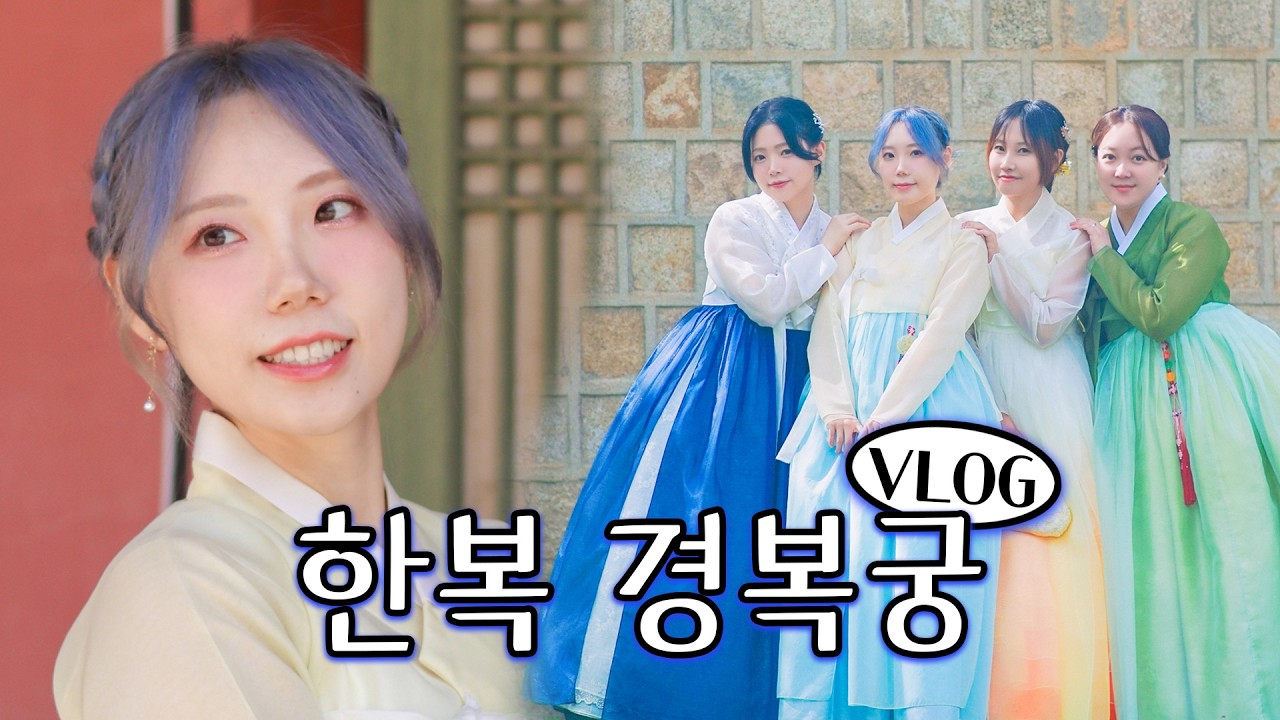
Ok so I rented a hanbok near Gyeongbokgung Palace. Full traditional Korean outfit. I felt a little ridiculous walking out of the shop. And then I walked through the palace gates and honestly forgot I was wearing it. The place just hits different when you are dressed like that.
Gyeongbokgung Palace (경복궁) is Seoul’s biggest palace and most people only see about 20% of it because nobody tells them where to go after the main gate. The hanbok rental also gets you free entry, so its basically paying for itself from the start.
Here is what to actually see and how to not spend 45 minutes wandering around confused.
What Gyeongbokgung Actually Is

on Unsplash
Gyeongbokgung was built in 1395 as the main royal palace of the Joseon dynasty. At its peak it contained over 500 buildings across a complex the size of a small city. During the Japanese colonial period (1910–1945), most of the structures were demolished or removed. What stands today is a partially restored version — impressive, but roughly one-fifth of the original.
This matters because visitors sometimes expect a complete ancient city and get a large open courtyard with several major halls and pavilions surrounded by a lot of empty space. Which is still genuinely beautiful — just set your expectations correctly.
The major structures worth your time:
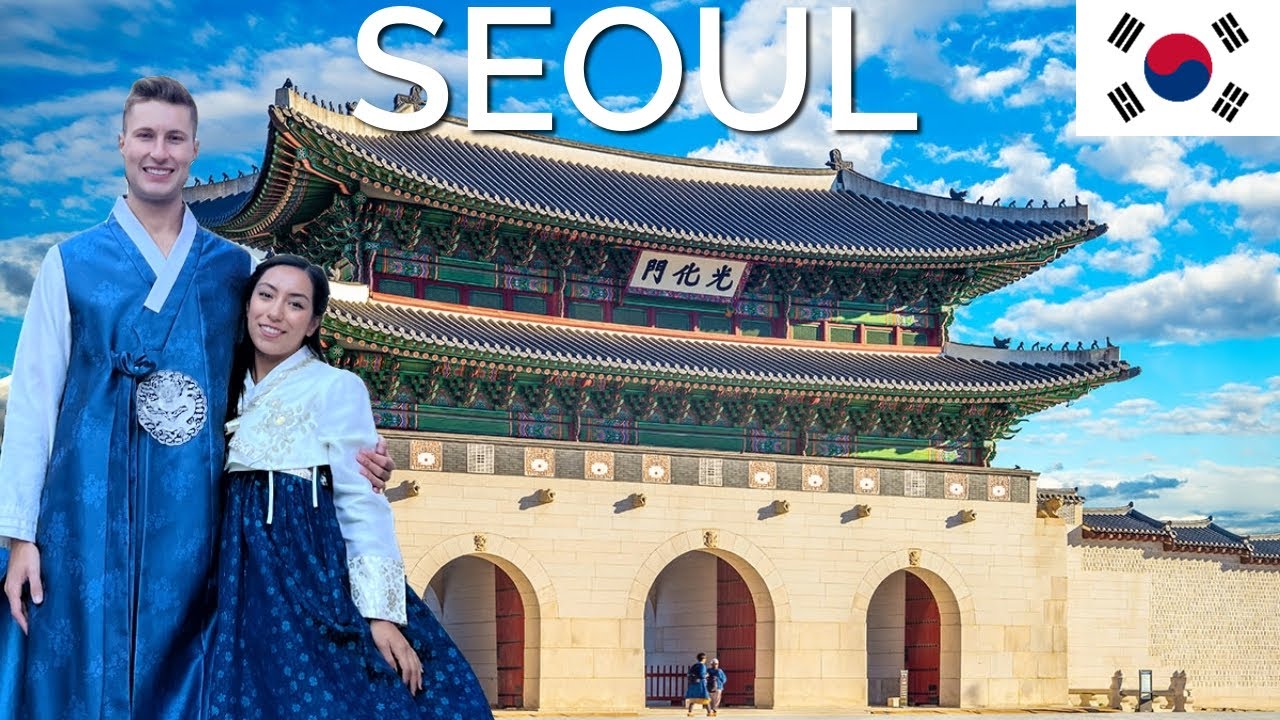
- Gwanghwamun Gate (광화문) — The main gate. The changing of the guard ceremony happens here twice daily (10AM and 2PM). Worth watching once.
- Geunjeongjeon (근정전) — The main throne hall. The largest building in the complex, where state affairs were conducted. Go inside if it’s open.
- Gyeonghoeru Pavilion (경회루) — The floating banquet pavilion on an artificial lake. The most photogenic structure in the complex, especially in morning light.
- National Folk Museum (국립민속박물관) — Located inside the palace grounds. Free entry with palace ticket. Better than most visitors expect.
Hanbok Rental: The Reality Check

on Unsplash
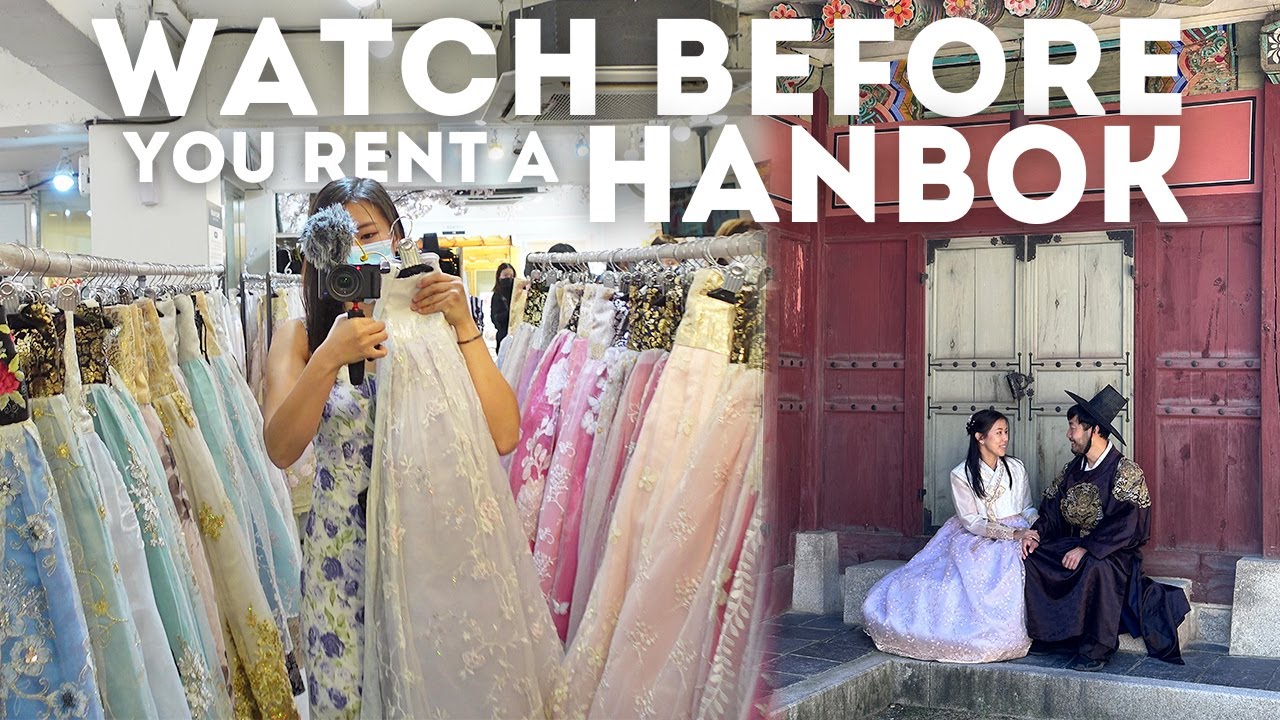
Wearing hanbok (한복) — traditional Korean clothing — into Gyeongbokgung gives you free entry. Which means the rental fee pays for itself immediately, and you get the experience of walking through a palace in traditional dress. This is why everyone does it.
Rental shops are clustered on the streets just north and east of the palace, especially along Gyeongbokgung-ro. Prices run 15,000–30,000 won for 2–3 hours. Higher-end shops with better fabric and more elaborate designs charge more. The difference in quality is visible.
Honest notes on the experience:
- You’ll look like a tourist. So does everyone else doing it. The self-consciousness fades quickly.
- The hanbok is not comfortable to wear in summer. It is very comfortable in autumn and spring.
- The rental shops do hair styling as an add-on. It’s popular and genuinely changes the photos.
- Return time is enforced. Don’t get so absorbed in exploring Bukchon Hanok Village next door that you forget your return window.
Ticket Prices and Opening Hours

on Unsplash
- Entry fee: 3,000 won for adults. One of the cheapest major attractions in Seoul.
- Free entry with hanbok: Yes, applies to rental and personally owned hanbok.
- Opening hours: 9AM–6PM (May–August until 6:30PM). Closed Tuesdays.
- Night palace program: Seasonal evening openings where the palace is lit up after dark. Tickets sell out — book in advance if this is a priority.
The Changing of the Guard Ceremony
The ceremony at Gwanghwamun Gate happens at 10AM and 2PM (except Tuesdays). Guards in full Joseon-era military dress march, perform the changing ritual, and it’s legitimately impressive. About 20 minutes. Free to watch from outside the gate. Get there 10 minutes early for a decent viewing position.
How to Combine It
Gyeongbokgung is the natural anchor for a full day in northern central Seoul. The logical route: palace opens → guard ceremony → walk the grounds → exit north toward Bukchon Hanok Village (10-minute walk) → Bukchon alleys → south to Insadong or Ikseon-dong for lunch. Efficient, covers the major historic sites, minimal backtracking.
The Bottom Line
Gyeongbokgung is worth visiting even knowing it’s a partial reconstruction. The scale is still impressive, the individual buildings are beautiful, and the Gyeonghoeru pavilion on a clear day is as good as any landmark in Seoul. Do the hanbok if you’re inclined — the free entry makes it financially rational regardless of how you feel about traditional dress.
Did you do the hanbok experience at Gyeongbokgung? Worth it or overhyped? Tell us what you actually thought in the comments.
If you are renting hanbok and want a small keepsake from the day, try the Korean Name Converter before you go and see how your name looks in Hangul.