Gwanaksan vs. Bukhansan: Which Seoul Mountain Should You Do?
I asked three different Koreans which mountain I should do in Seoul. One said Bukhansan without hesitating. One said Gwanaksan and seemed almost offended I would consider anything else. The third one said they were totally different and why was I comparing them. That third person was the most correct.
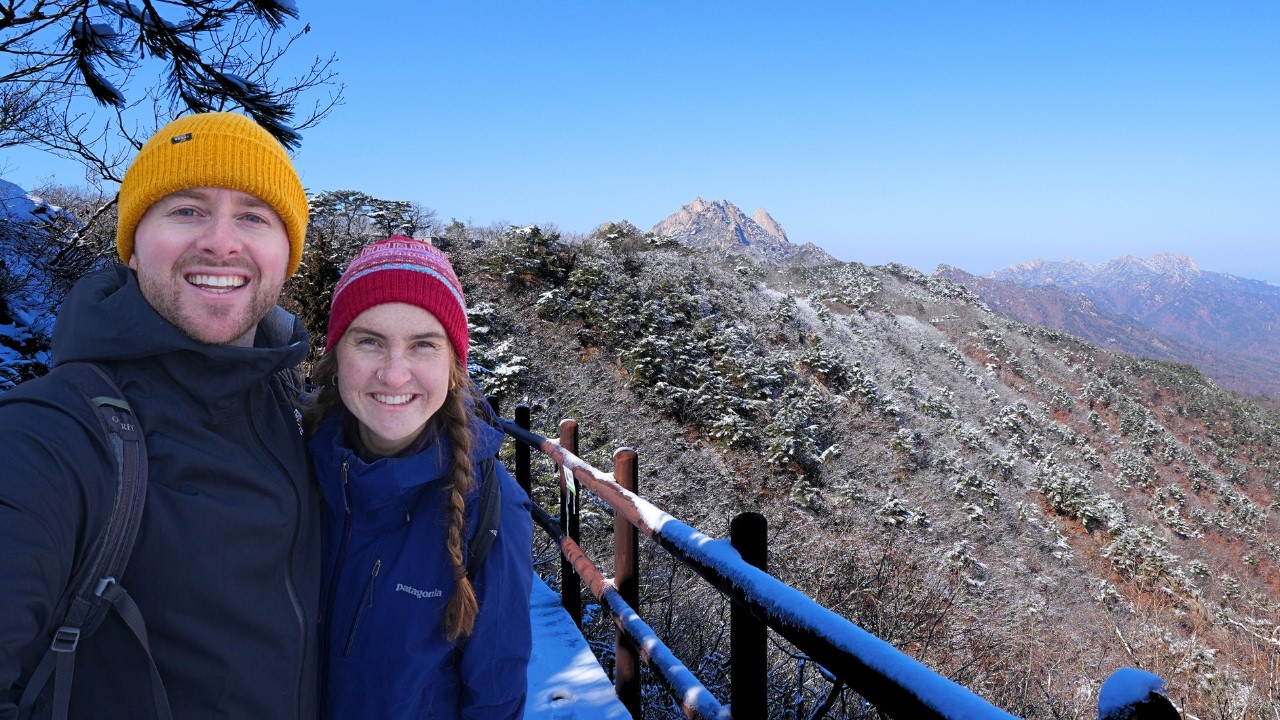
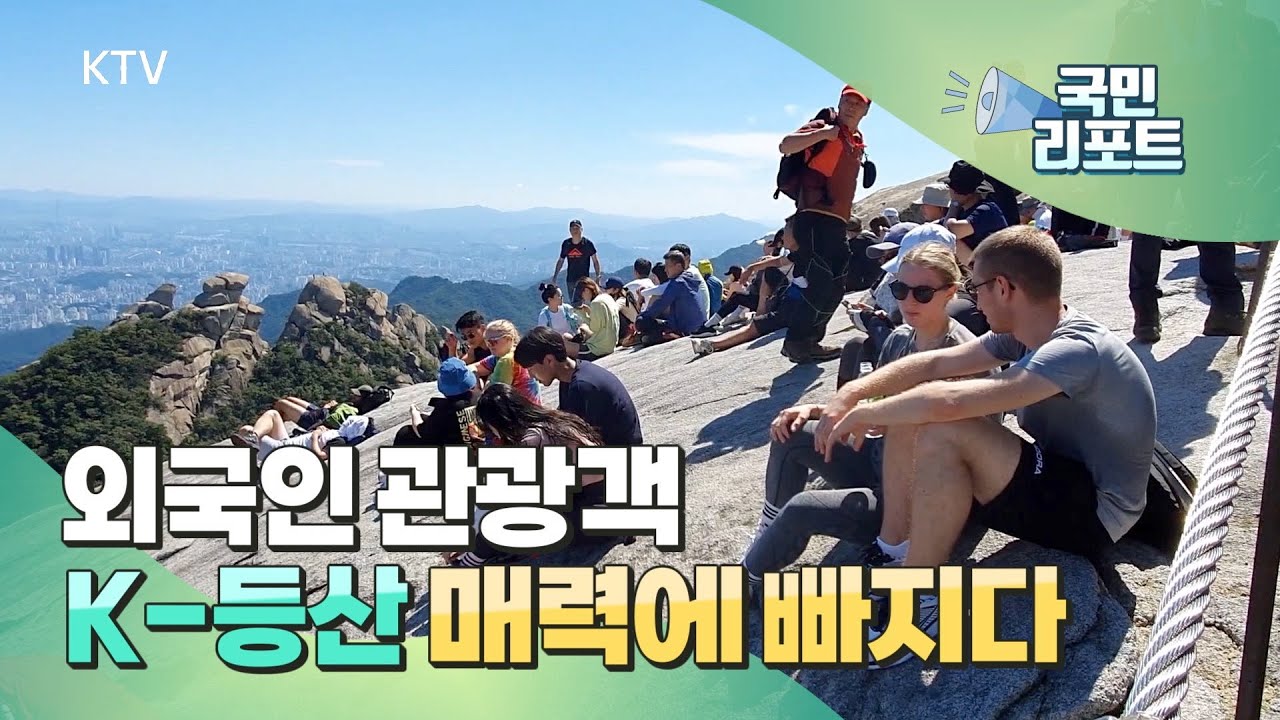
Bukhansan and Gwanaksan are both great Seoul mountains. They are genuinely different experiences. Here is the honest breakdown so you can pick the right one for your trip.
Bukhansan — The Famous One
Bukhansan is the mountain everyone tells you about. National park. Inside the city. Take the subway. Famous summit views. The granite peak of Baegundae at 836 meters is the highest point in Seoul and the photo everyone takes from the top is genuinely dramatic — the whole city spread below bare rock.
Getting there: Line 3 to Gupabal Station or U-Line to Bukhansan Ui Station. Very easy from central Seoul.
Difficulty: Moderate to hard depending on route. The Baegundae summit route has rope sections and steep granite slabs near the top. Not technical climbing but requires effort and some comfort with exposed terrain.
Time: 4 to 5 hours round trip to Baegundae summit.
Crowds: Very crowded on weekends, especially in fall. Weekday mornings are manageable. October Saturdays are genuinely packed — thousands of people on the same trail.
After the hike: Good cluster of sangjumak restaurants at multiple trailhead areas. Especially good near Gupabal entrance area.
Gwanaksan — The Underrated One
Gwanaksan (관악산) sits south of the Han River near Seoul National University. 629 meters. Less famous among tourists. More popular with locals who live south of the river and significantly less crowded than Bukhansan on weekends.
Getting there: Line 2 to Seoul National University Station (서울대입구역). Walk uphill, or take a bus to the university campus and start from there. Slightly more complex than Bukhansan access but manageable.
Difficulty: Hard. Gwanaksan is steep. The main ridge trail to the summit has more sustained steep climbing than Bukhansan and the rocky terrain is similar. This mountain will work your legs properly. Do not underestimate it based on the height number.
Time: 3.5 to 5 hours round trip depending on route and pace.
Crowds: Noticeably less crowded than Bukhansan. On a weekday the difference is dramatic. On weekends it is busy but nothing like peak-season Bukhansan.
Special feature: Gwanaksan has a temple complex — Gwanak Temple (관악사) — on the mountain slopes. The combination of traditional architecture against dramatic rocky terrain is really something. Worth the slight route deviation to see it.
After the hike: Good food options near the university area. Slightly different vibe from the Bukhansan trail restaurants — younger crowd mixed in with hikers because of the university.
Which One Should You Do?
Do Bukhansan if:
- This is your first Seoul mountain and you want the famous experience
- You are hiking on a weekday morning (manageable crowds)
- You want the classic city panorama from a granite summit that everyone photographs
- You are using public transit from central Seoul and want the easiest access
Do Gwanaksan if:
- You have already done Bukhansan
- You want a serious hike with fewer crowds
- You are staying south of the Han River
- You want to combine a challenging hike with temple scenery
- You prefer a mountain that feels slightly wilder and less managed
Do Both
If you have time, do both. They are different enough that each adds something the other does not have. Bukhansan for the famous view and the classic experience. Gwanaksan for the challenge and the feeling of a mountain that has not been fully polished for tourism yet.
A third option worth mentioning: Dobongsan, also in Bukhansan National Park but a different section. Slightly more technical rocky ridges, very dramatic peaks, and on weekdays nearly as quiet as Gwanaksan. If you do Bukhansan and want more, Dobongsan is the natural next step.
Which one did you do — or which one is on your list? Leave it below and I will try to give specific trail recommendations based on your fitness level.