Korean Photo Booths (네컷사진): Why Koreans Are Obsessed — And Why You Will Be Too
You know those little photo booth things you see in every K-drama? The ones where the couple takes cute pictures and splits the strip? I thought that was just a drama thing. Turns out its everywhere in Korea. And I mean everywhere.
The Korean photo booth — called negut sajin (네컷사진) — is basically on every street corner in Seoul. You pay like 5,000 won, squeeze into a tiny booth, take four shots, and walk out with two printed strips. The whole thing takes maybe 5 minutes. And yet people line up for 30 minutes to do it. Including me. Multiple times.
Here is why Koreans are obsessed with this. And why you will be too.

That’s a negut sajin (네컷사진) booth — Korea’s version of the photo booth, reinvented for the Instagram era. Four-cut photo strips, printed on the spot, for about 5,000 won. And in 2020s Korea, this isn’t a trend anymore. It’s become a fixture.
Smartphones are better than ever. So why are people lining up for this? Here’s what’s actually going on.
What Is a Korean Photo Booth (네컷사진), Exactly?

on Unsplash
The concept is simple. You step into a booth, strike a few poses in front of a camera, and out comes a printed strip — four shots, arranged in a classic film-strip layout. You get two copies: one for you, one for whoever you came with.
The whole thing takes under five minutes. The price runs 3,000–6,000 won depending on the brand and options. The result is a physical photograph you can hold, keep in your wallet, stick in your diary, or hand to a friend.
The main Korean photo booth brands you’ll see everywhere:
- 인생네컷 (Life4Cuts) — the biggest chain, 1,500+ locations nationwide. Hard to miss.
- 포토이즘 (Photoism) — known for soft, cinematic filters
- 하루필름 (Haru Film) — leans into vintage film aesthetics
- 셀픽스 (Selfix) — lets you add sticker decorations to prints
Each brand has its own aesthetic. Regulars have opinions about which filters hit different. Yes, people have preferences. Strong ones.
But the real question isn’t what these booths are. It’s why anyone bothers when everyone already has a camera in their pocket.
4 Real Reasons Koreans Keep Lining Up for Photo Booths

on Unsplash
1. Physical photos feel rare now
Smartphone photos disappear into a camera roll with ten thousand other photos. A negut print is an object. You hold it. You put it somewhere. It doesn’t get lost in a folder.
In a world where everything is digital and nothing feels permanent, a small printed photograph carries disproportionate meaning. That’s not nostalgia — that’s just how scarcity works.
2. The Korean photo booth has become a social ritual
In Korea, a standard hangout with friends or a couple’s date now follows a predictable script: eat, cafe, photo booth. In that order. The booth isn’t the point — the shared experience of squeezing into a small space, arguing about poses, and walking out with matching prints is the point.
The photo is the receipt that proves you were there together. Koreans take that kind of documentation seriously — jeong (정), the emotional bond between people, gets expressed in tangible ways. Much like how Korean school lunch isn’t just about food — it’s about sharing the same experience together.
3. The output is made for social media
The filters are good. The layouts are clean. The format — four shots on a film strip — photographs extremely well when you put it on a table and shoot it with your phone to post on Instagram.
This is content that creates content. The photo booth produces something that gets shared online, which drives more people to try it, which keeps the lines long.
4. It’s cheap compared to alternatives
A professional portrait studio in Korea runs anywhere from 50,000 to 300,000 won. A negut booth costs 5,000 won. For people who want a real, printed photograph without a real budget, there’s no competition.
Korea doesn’t do half-measures when something hits the right combination of affordable and emotionally satisfying.
How Far Has the Korean Photo Booth Trend Actually Spread?
Further than most people realize.
It started in youth-heavy commercial districts — Hongdae, Sinchon, areas around universities. Now it’s in apartment complex lobbies, small-town main streets, and inside convenience stores. Life4Cuts alone has cleared 1,500 locations across Korea. That’s roughly one booth for every 34,000 people in the country.
It’s also gone international. Japan, Thailand, Vietnam, and other parts of Southeast Asia now have Korean-style photo booth chains. When K-drama couples film scenes at photo booths — and they do, regularly — it’s not product placement anymore. It’s just reflecting real life.
Foreign tourists have added it to their Seoul itineraries alongside palaces and street food. At this point, skipping the photo booth is the unusual choice.
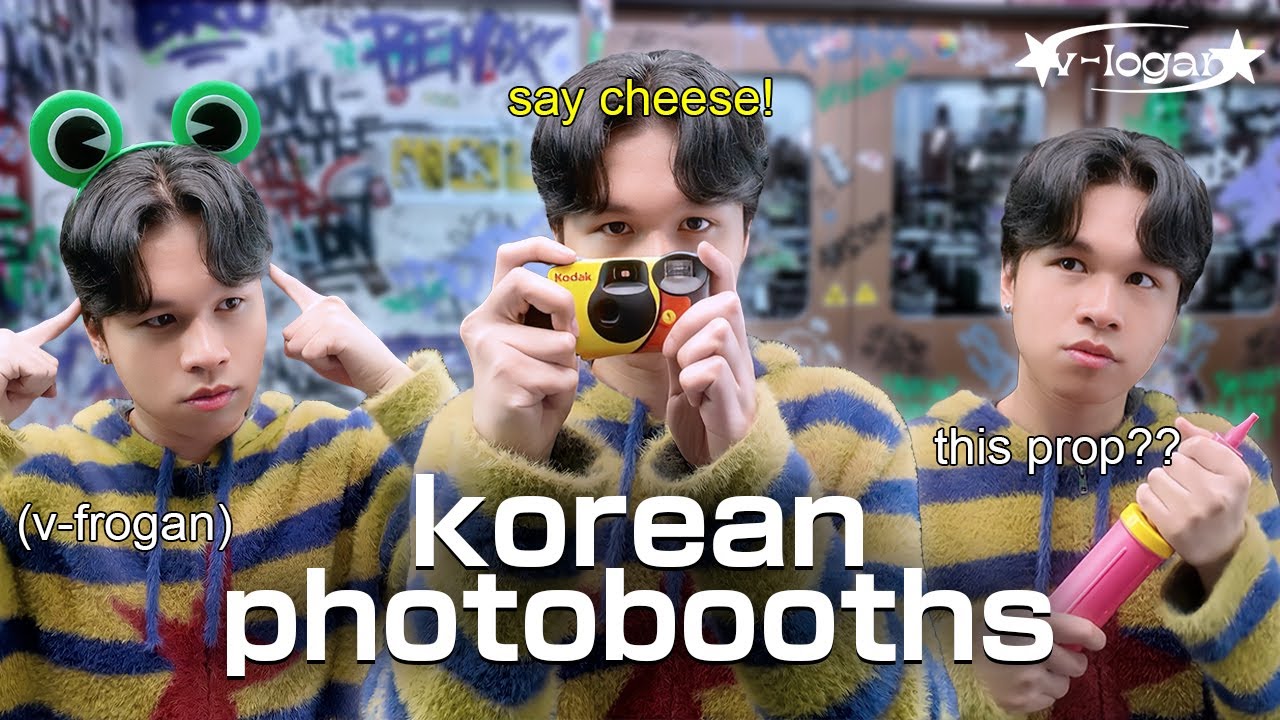
See what the Korean photo booth experience actually looks like:

The Downsides of Korean Photo Booths Nobody Mentions
Popular locations on weekends — Hongdae in particular — have wait times of 20–30 minutes. You’re waiting 30 minutes for a 5-minute experience. And if the photos don’t turn out the way you wanted, there are no refunds. The machine already printed them.
Prices have also crept up. The entry-level booths used to run around 3,000 won. Premium options — better filters, larger prints, more frames — regularly push past 6,000 or 7,000 won now. Competition between brands has driven innovation, but it’s also driven prices higher.
And yet the lines stay long. When Koreans commit to something, they commit.
The Bottom Line
The negut sajin booth is a small, weird, slightly inconvenient thing that produces a physical artifact in a world that has almost no physical artifacts left. That’s why it works. That’s why a country full of people with excellent smartphone cameras still lines up to use one.
If you’re visiting Korea and you walk past one of these booths, don’t overthink it. Step in. Strike a pose. Walk out with something you can actually hold.
Five thousand won. Under five minutes. And you’ll probably end up explaining it to people back home for weeks.
Curious about other uniquely Korean everyday experiences? Check out our breakdown of Korean school lunch (geupsik) — another thing that looks simple on the surface but says a lot about how Korea actually works.
Have you tried a Korean photo booth? Which brand was your favorite — or which one should first-timers absolutely not miss? Drop it in the comments below.
And if you found this useful, share it with someone planning a trip to Korea. They’ll thank you when they’re standing in line at Life4Cuts in Hongdae.
Before you step into a Korean photo booth, you can also try writing your name in Hangul with our Korean Name Converter; it makes a fun caption idea for your final photo strip.